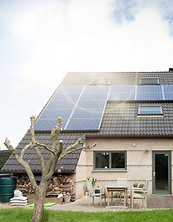
Solar + Snow, The Truth in Calgary
- Nov 27, 2025
- 3 min read
If you live in Calgary, you already know winter here is no joke—snowfall, cold snaps, and sudden temperature drops are all part of life. So it’s no surprise that one of the biggest questions homeowners ask before going solar is: “Do solar panels even work with all this snow?”
The short answer is yes. The long—and more interesting—answer is that Calgary is actually one of the best places in Canada for solar, even with winter snow. Here’s everything you need to know about how solar performs year-round in our unique climate.

Snow Doesn’t Impact Solar Nearly as Much as You Think
One of the biggest misconceptions about solar power in cold climates is that snow significantly reduces energy production. In reality, snow only causes a 3–5% yearly loss. That’s because:
Panels are installed at a tilt, so snow naturally slides off.
The dark surface of panels absorbs heat, melting snow quickly.
Panels sit higher than the roof, allowing airflow that warms the underside.
Once the sun hits the panels—even on a cold day—the snow melts or slides off surprisingly fast. Many homeowners report panels clearing themselves before the rest of the roof.
Cold Weather Actually Boosts Solar Efficiency
This is the part most people don’t expect.
Solar panels perform better in cold temperatures than in hot ones. Heat reduces electrical efficiency, but cold, bright days—something Calgary has plenty of—help panels produce power more effectively.
This means that late fall, winter, and early spring can actually deliver excellent production, especially on those crisp, sunny winter days we see so often.
In fact, Calgary consistently outperforms many Canadian cities that don’t get nearly as much sunlight, even if they have milder winters.
Calgary’s Sunlight Levels Make Up for Snowy Months
Calgary enjoys over 300 days of sunlight per year, making it one of the sunniest major cities in Canada. Even though production dips during the winter, the summer months skyrocket in performance.
From May to September, systems often produce more electricity than you need, which creates extra credits through Alberta’s net billing system. These credits offset your winter usage, balancing your year overall.
Think of it like solar banking:
Summer:
You produce more electricity than you consume → energy credits
Winter:
You consume more than you produce → credits are applied
The result? A balanced, predictable energy bill across all seasons.
Real Calgary Numbers: What Annual Production Looks Like
Let’s take a typical Calgary home with a 7–10 kW solar system. Based on local weather patterns, roof angles, and sunlight hours:
Summer months (May–August):
Highest production of the year
Shoulder seasons (March–April, September–October):
Surprisingly strong
Winter months (Nov–Feb):
Lower production, but still meaningful
Despite the winter slowdown, Calgary systems usually generate 8,000–12,000 kWh per year, enough to offset a huge portion of most households’ annual electricity usage.
Most Calgary homeowners still see 60–100% annual offset, snow and all.
Do You Need to Manually Clear Snow Off Your Panels?
No—you shouldn’t.
Manually clearing snow is not only unnecessary, it’s unsafe. Climbing on an icy roof or using tools that could scratch your panels is never recommended.
Let the panels do their job. They will:
Clear themselves after the first sunny window
Shed snow quickly due to the smooth glass surface
Warm just enough to melt the snow naturally
The time effort spent clearing snow doesn’t justify the minimal gain—especially when annual snow loss is only a few percentage points.
Why Winter Doesn’t Hurt Your Solar Investment
Even though winter production is lower, solar savings in Calgary still add up because:
Summer production is extremely high
Cold weather boosts panel performance
Alberta’s electricity rates are rising
Net billing balances your annual energy use
Your system isn’t designed to make every winter day fully self-sufficient—it’s designed to maximize year-round savings, and Calgary’s climate actually supports that very well.
Winter doesn’t make solar a bad investment—in fact, Calgary’s sunny climate and cold temperatures make it one of the best cities in Canada for solar power. Between efficient year-round production, high summer output, and Alberta’s net billing setup, snow has only a minor effect on annual savings.
If you’re worried that Calgary winters make solar less effective, the data, the science, and thousands of successful installations say otherwise: solar thrives here.